Tree Trimming Services in Northern New Jersey
Tree trimming should solve a specific branch-level problem while allowing the tree to remain. The goal may be to improve clearance, remove damaged limbs, reduce crowding, or restore access around a home or property.
Lodema Tree Service provides tree trimming throughout northern New Jersey. Each project should consider the branches involved, the tree’s overall condition, what is located below the canopy, and the result the property owner wants.
What Does Tree Trimming Address?
Tree trimming focuses on selected branches rather than the complete removal of a tree.
It may address branches that:
- Grow toward a roof, siding, or windows
- Hang above a driveway or walkway
- Extend over a patio or frequently used yard
- Are dead, cracked, broken, or hanging
- Cross and rub against other branches
- Block access beneath the canopy
- Grow toward a fence, garage, or shed
- Create dense growth in one part of the tree
The reason for trimming should be identified before any branches are selected. Trimming for clearance requires a different approach from removing damaged or crowded limbs.
Common Reasons to Request Tree Trimming
Clearance Around a Home
Branches growing toward a roof, wall, gutter, window, or other part of a building may need selective trimming.
Driveway and Walkway Access
Low or overhanging branches can interfere with vehicles, pedestrians, and access around the property.
Dead or Damaged Branches
Cracked, broken, hanging, or dead limbs may need attention even when the rest of the tree can remain.
Crowded Canopy Growth
Branches that cross, rub, or grow into the same space may create crowding within part of the canopy.
Better Use of the Yard
Low branches can reduce usable space beneath a tree or interfere with mowing and landscaping.
Changes After Severe Weather
Wind, heavy rain, or other weather conditions can leave branches damaged without affecting the complete tree.
Trimming Should Be Selective
Removing more branches does not automatically produce a better result. Trees depend on their canopies, and excessive cutting can affect their condition and structure.
A selective approach asks:
- Which branches are causing the problem?
- What result should the trimming create?
- How will the remaining canopy be affected?
- Is the concern limited to individual limbs?
- Can the tree remain after the work?
- What is located below the branches?
The objective is to address the specific concern without removing unnecessary healthy growth.
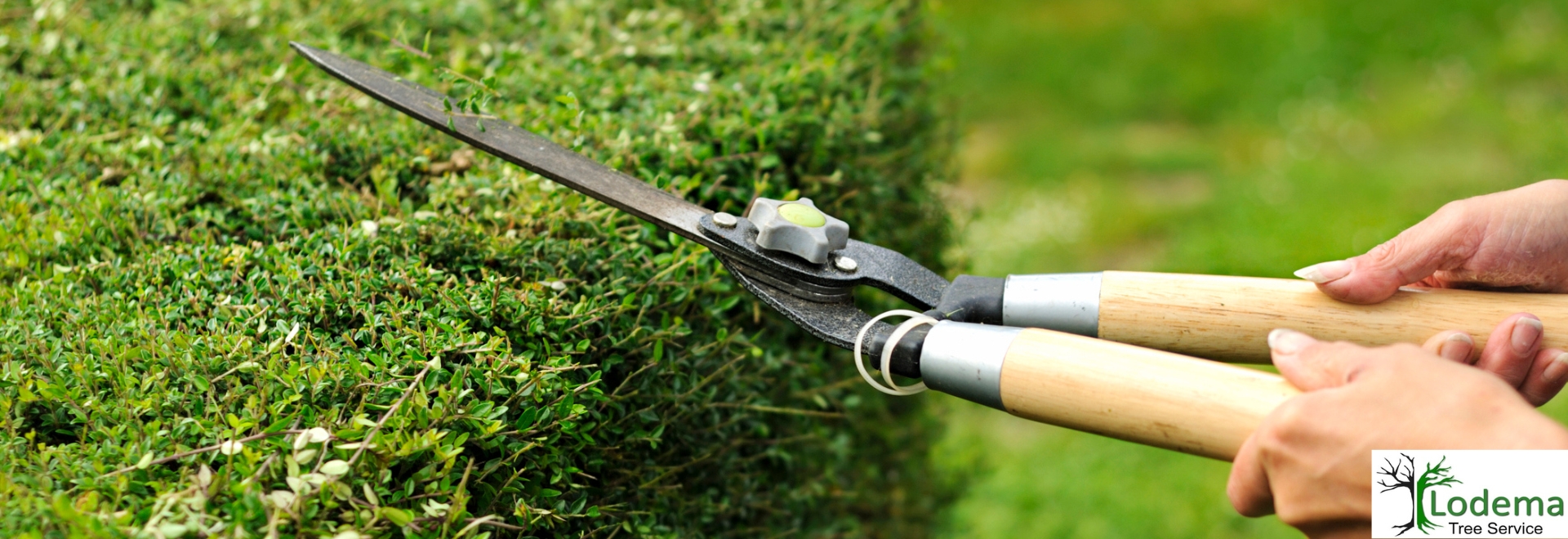
Clearance Trimming Around Property Features
Branches can affect different parts of a property as they grow.
Roofs and Buildings
Limbs extending toward a building may reduce clearance around roofs, siding, gutters, windows, and walls.
Driveways
Overhanging or low branches may interfere with vehicles or limit usable driveway space.
Walkways and Entrances
Branches near paths, steps, gates, and entrances can affect access.
Fences and Other Structures
Growth toward fences, sheds, garages, and similar features may need to be managed.
Lawns and Landscaped Areas
Low branches can restrict mowing or limit access to the space beneath the tree.
Trimming should consider both the branch and the property feature it affects.
Signs a Branch May Need Attention
From a safe position on the ground, look for:
- Missing bark or visible cracks
- Broken or partly detached limbs
- Branches hanging at an unusual angle
- Dead growth without leaves during the growing season
- Limbs crossing and rubbing together
- Heavy growth concentrated on one side
- Branches touching or approaching structures
- Recent changes after severe weather
Do not stand beneath a hanging limb or attempt to pull it down.
When Tree Trimming May Not Be Enough
Trimming is intended for branch-level concerns. It may not solve a problem affecting the entire tree.
Tree removal may need to be considered when:
- The tree is dead or mostly dead
- Decay affects the trunk or base
- The tree has developed a significant lean
- Damage extends throughout the structure
- Major cracks affect the trunk
- Root or soil changes indicate instability
- The tree’s location prevents it from remaining
A damaged branch does not always justify removal, but trimming cannot correct serious problems involving the whole tree.
How Much Should a Tree Be Trimmed?
There is no single amount that is appropriate for every tree.
The answer depends on:
- The reason for trimming
- The number and size of affected branches
- The tree’s condition
- Its species and growth pattern
- The location of the branches
- The structure of the remaining canopy
- What is positioned beneath the tree
The work should be based on the desired result rather than a fixed percentage or a request to make the tree as small as possible.
What Affects a Tree Trimming Project?
Several factors influence the scope of trimming.
Tree Size
Tall or wide trees present different access and branch-management needs from smaller trees.
Branch Location
A limb over an open lawn is different from one above a roof, driveway, fence, or walkway.
Number of Branches
A single damaged limb creates a different project from several areas of crowded or damaged growth.
Tree Condition
Dead, cracked, or unstable branches may require a different approach from healthy branches trimmed for clearance.
Property Access
Gates, fences, buildings, landscaping, and narrow side yards can affect access to the work area.
Space Below the Canopy
Vehicles, patios, walkways, gardens, and structures beneath the branches must be considered
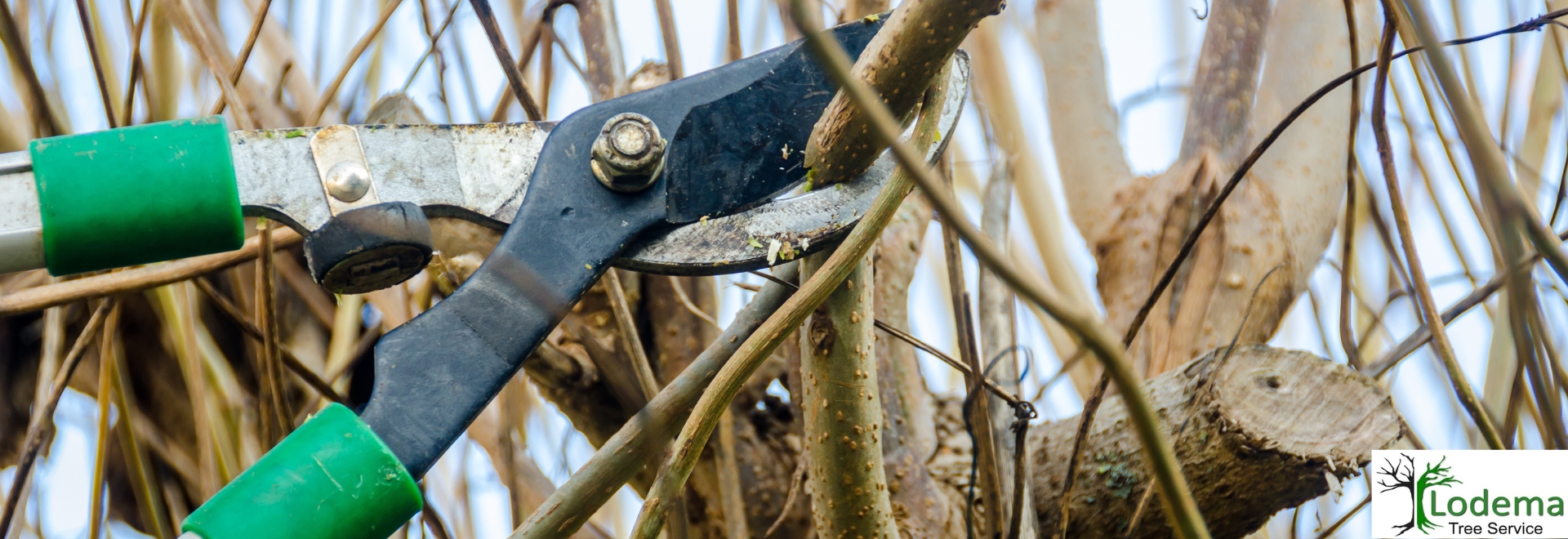
Preparing the Property for Tree Trimming
Before scheduled trimming:
- Move vehicles away from the work area
- Remove movable furniture and decorations
- Keep children and pets away
- Make gates and access routes available
- Identify the branches causing concern
- Explain the clearance you want
- Mention known lighting or irrigation features
- Point out any access restrictions
A clear project description makes it easier to understand the desired result.
Information to Provide About the Tree
When describing your trimming needs, include:
- The property location
- The tree’s position on the property
- Which branches concern you
- What the branches grow over or toward
- Whether the damage is recent
- Any access limitations
- The result you want from trimming
Photographs taken safely from the ground may help show the canopy and surrounding property.
When Is the Right Time to Trim a Tree?
The appropriate timing depends on the tree, its condition, the reason for trimming, and the urgency of the branch concern.
Routine clearance trimming may be planned differently from work involving a broken or hanging limb. The timing should be considered in relation to the specific tree rather than applying the same schedule to every property.
What Happens if the Tree Must Be Removed?
If assessment shows that the problem affects the complete tree, tree removal may be more appropriate than trimming.
After removal, the stump can remain or be addressed separately through stump grinding. Tree removal and stump grinding are separate services.
Northern New Jersey Tree Trimming Areas
Lodema Tree Service provides tree trimming across its northern New Jersey service area, including:
- Boonton, NJ
- Butler, NJ
- Caldwell, NJ
- Newton, NJ
- Oak Ridge, NJ
- Randolph, NJ
- Rockaway, NJ
- Sparta, NJ
- Sussex, NJ
- Wayne, NJ
- Wyckoff, NJ
Frequently Asked Questions
What is the difference between tree trimming and tree removal?
Trimming removes selected branches while keeping the tree. Removal takes down the entire tree.
Can branches over a roof be trimmed?
Yes. Branches extending toward or over roofs are a common reason to request clearance trimming.
Does one dead branch mean the tree must be removed?
No. A concern limited to one or more branches may be addressed through trimming if the rest of the tree can remain.
Can trimming stop branches from growing back?
No. Trees continue growing after trimming. Future trimming needs depend on the tree and its location.
How often should trees be trimmed?
There is no single schedule for every tree. Timing depends on the species, growth rate, condition, location, and reason for trimming.
Can too much trimming harm a tree?
Removing excessive healthy growth can affect the tree. Trimming should focus on the branches responsible for the concern.
Can low branches be trimmed to improve access?
Selected low branches may be trimmed when they interfere with walkways, driveways, mowing, or use of the yard.
What affects the cost of tree trimming?
Tree size, branch location, number of branches, condition, access, and nearby property features can all affect the project.
Can damaged branches be trimmed after severe weather?
Damaged branches may be candidates for trimming when the concern is limited to individual limbs. Whole-tree damage may require a different service.
What if trimming cannot solve the problem?
If the concern affects the complete tree, tree removal may need to be considered.
Request Tree Trimming Service
Contact Lodema Tree Service to discuss tree trimming for your northern New Jersey property.
Call (973) 875-9875 or request your free tree trimming estimate.