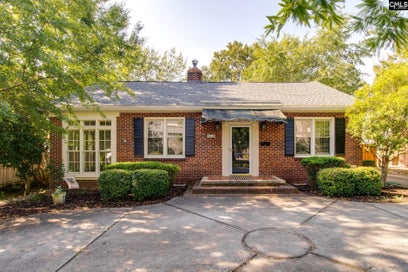
Shandon Homes for Sale in Columbia, SC
Shandon is an established in-town Columbia neighborhood known for older homes, mature trees, front porches, and convenient access to Devine Street, Five Points, the University of South Carolina, and downtown. Its street grid and variety of house styles give buyers an experience that differs from a newer subdivision with standardized plans and shared amenities.
Homes in Shandon can vary considerably in age, size, condition, parking, and renovation history. A restored bungalow, an expanded cottage, and a newer infill home may sit within a few blocks of one another. That variety is part of the neighborhood’s character, but it also means buyers should compare properties individually instead of relying on neighborhood averages alone.
Living in Shandon
Shandon places residents close to several of Columbia’s in-town commercial and employment areas. Devine Street offers restaurants, shops, and services along the neighborhood’s northern side, while Five Points and the USC campus are nearby. Downtown offices, hospitals, museums, and entertainment venues are also within the broader central Columbia area.
Daily convenience can depend on the specific block. Some homes are closer to commercial corridors, parks, or campus routes, while others sit deeper within residential streets. Traffic, street parking, pedestrian activity, and event-related congestion may change by time of day. Buyers should visit a property during the morning, evening, and weekend, then test the routes they expect to use regularly.
The City of Columbia maintains an official Shandon Neighborhood Council map, but neighborhood names used in real estate listings do not always follow civic boundaries precisely. Confirm the location of any property rather than assuming that a Shandon label, ZIP code, or search result establishes its neighborhood.
Shandon and Old Shandon Are Not the Same Area
Shandon and Old Shandon are separate, historically connected neighborhood names. Old Shandon is associated with the area closer to Five Points and is included in the City’s Old Shandon/Lower Waverly Protection Area. The larger area commonly called Shandon extends farther east and south.
The distinction matters when comparing homes. Lot patterns, architecture, nearby streets, and possible design-review requirements may differ by address. MLS entries may use “Shandon,” “Olde Shandon,” “Old Shandon,” or another subdivision name, and broad searches may also include homes that are nearby but outside either boundary.
Before relying on a listing’s neighborhood label, compare the address with the City’s neighborhood map, review the recorded subdivision or legal description, and confirm whether a historic or zoning overlay applies. This is especially important when planning an addition, demolition, fence, garage, or substantial exterior change.
Homes and Architecture in Shandon
Much of Shandon developed during the first half of the twentieth century, although construction dates vary and later additions or infill homes are present. Commonly seen forms include bungalows, cottages, Craftsman-influenced homes, Colonial Revival houses, Tudor-influenced homes, brick residences, and later ranch-style designs. Porches, hardwood floors, fireplaces, detached garages, and established landscaping appear in many listings, but none of these features should be assumed without inspecting the property.
Two homes with similar square footage may function very differently. Room arrangement, ceiling height, natural light, storage, bedroom placement, and the relationship between the house and yard can have a large effect on usability. Finished lower levels, enclosed porches, converted attics, and additions also deserve careful review because their quality and permit history may vary.
When comparing values, consider the entire property rather than price per square foot alone. Renovation quality, system updates, lot utility, off-street parking, drainage, accessory structures, and block location can materially affect a home’s condition and market position.
What to Inspect in an Older Shandon Home
Older construction is not automatically a drawback, but it calls for careful due diligence. A general home inspection is a starting point, not a substitute for specialist evaluations when a concern appears. Depending on the property, buyers may want qualified professionals to examine:
The roof, flashing, gutters, chimneys, and evidence of past leaks
Heating and cooling equipment, ductwork, ventilation, and service history
Electrical panels, service capacity, wiring types, outlets, and grounding
Supply plumbing, drain lines, water pressure, water heaters, and sewer laterals
Crawl spaces or basements for moisture, drainage, ventilation, pests, and structural movement
Foundations, floors, porches, retaining walls, and previous structural repairs
Windows, insulation, air sealing, and other energy-efficiency considerations
Additions, enclosed porches, converted spaces, decks, garages, and permit records
Large trees, limbs near the roof, root effects, and ongoing landscape maintenance
Ask the seller for available permits, invoices, warranties, and dates for major work. “Updated” can describe anything from new finishes to a full replacement of electrical, plumbing, roofing, and mechanical systems. Written documentation helps separate cosmetic changes from deeper improvements.
For properties with mature landscaping, pay attention to how water moves across the lot during and after rain. Look at grading, downspout discharge, low areas, crawl-space moisture, and drainage between neighboring properties. If underground sewer or water lines are a concern, a scope or other specialist evaluation may provide information that a standard inspection cannot.
Renovations, Additions, and Accessory Buildings
Expanded and renovated homes are common enough that buyers should determine what is original and what was added later. Confirm whether the advertised square footage matches available records and whether finished spaces meet the intended use. A polished room is not necessarily permitted living area.
For additions or major renovations, review permit and inspection records when available. Consider how the work affected rooflines, drainage, foundation systems, heating and cooling capacity, electrical service, and the flow of the original house. If walls were removed, ask whether structural plans or supporting documentation exist.
Detached garages, workshops, guest spaces, and accessory dwelling units can add flexibility, but buyers should not assume that a structure can be rented or occupied separately. Verify zoning, permits, utility arrangements, parking requirements, insurance implications, and any restrictions on short- or long-term rental use before assigning value to an income-producing plan.
Lots, Parking, and Property Boundaries
Shandon lots are not uniform. Driveway width, rear access, alley conditions, setbacks, fences, and usable yard area can differ even on the same street. Some homes have garages or other off-street parking, while others rely more heavily on a driveway or public street spaces.
A current survey can help identify boundaries, encroachments, easements, shared drives, fences, and the placement of improvements. Buyers considering a pool, addition, garage, fence, or accessory structure should review zoning and utility constraints early in the process. A large-looking yard does not always mean the entire visible area is available for new construction.
Street-parking availability may change during restaurant hours, neighborhood events, USC activities, or other busy periods. Visit at the times that matter to you and confirm any posted restrictions rather than relying on a single showing.
Historic Character, Zoning, and Exterior Changes
Historic character does not mean every Shandon property is individually designated or subject to the same rules. Old Shandon/Lower Waverly has a City protection area with design guidelines, but a Shandon mailing or marketing label alone does not establish whether a particular parcel is regulated.
Before planning visible exterior work, demolition, a large addition, a fence, or a new accessory building, ask the City of Columbia which zoning district, overlay, or design-review process applies to the exact parcel. Also confirm required permits, setbacks, lot coverage, tree requirements, and any recorded private restrictions. Obtain this information before closing if a future project is important to the purchase decision.
Things to Do Near Shandon
Devine Street is one of the neighborhood’s nearest commercial corridors, with a mix of local shops, restaurants, and everyday services. Five Points adds more dining, retail, and nightlife choices closer to USC. Downtown Columbia provides additional museums, performance venues, government offices, and events.
Emily Douglas Park and Sims Park are within or near the broader Shandon area. Park facilities, programs, hours, and maintenance schedules can change, so buyers should check current City information for the amenities they expect to use. The City and Historic Columbia installed a neighborhood history marker at Sims Park in 2025, adding a public introduction to Shandon’s development over time.
Walkability and bicycle access are block- and route-specific. Sidewalk continuity, intersection design, lighting, traffic volume, weather, and the distance to a particular destination all matter. Test the actual trip rather than relying on a general neighborhood description.
Schools Serving Shandon
Shandon addresses are generally within Richland School District One. The previous neighborhood page referenced A.C. Moore Elementary School, Hand Middle School, and Dreher High School, but school assignments should never be assumed for every Shandon address.
Attendance zones, programs, enrollment rules, and transportation policies can change. Buyers should verify the exact property address directly with Richland One before making a purchase decision. Families interested in magnet, Montessori, charter, private, or other programs should also confirm application procedures, eligibility, deadlines, and transportation separately from the assigned-school question.
Buying a Home in Shandon
Before making an offer, consider these address-specific steps:
Confirm whether the property is in Shandon, Old Shandon, or another nearby area.
Review the legal description, survey, easements, and any recorded restrictions.
Verify zoning, historic review, and permit requirements for planned changes.
Compare documented system improvements, not only visible finishes.
Inspect the roof, structure, crawl space or basement, electrical, plumbing, HVAC, and drainage.
Investigate additions, finished spaces, garages, and accessory structures.
Observe traffic, parking, noise, and pedestrian activity at different times.
Confirm school assignments directly with Richland One.
Review insurance options, property taxes, and estimated maintenance costs for the specific home.
Shandon rewards careful property-by-property comparison. Condition, renovation history, lot utility, parking, and location within the neighborhood can matter as much as bedroom count or advertised square footage.